17 Things To Know Before Visiting Malaysia In 2026

We just spent two months travelling the entire length of Malaysia and it was absolutely amazing. However, we definitely made a few mistakes along the way, which is exactly why we’re sharing these things to know before visiting Malaysia, so you don’t make the same mistakes we did.
If you’re planning a trip, here is everything we wish we knew before we arrived.
Disclaimer: Entry requirements, visa rules and health guidance can change without notice. Please check official government sources before booking or travelling. Any health information shared here is based on our own experience and research and should not replace professional medical advice.
Plan Your Trip With Our Favourite Resources
-Book Your Flights: Skyscanner
-Best Accommodation Booking Site: Booking.com
-Book Day Tours Here: Get Your Guide
-Purchase Travel Insurance Here: SafetyWing

Before You Leave
1. Sort Your Visa Before You Arrive
Before you even land in Malaysia, you need to make sure your visa situation is sorted. If you’re from the US, the UK, or much of Europe, you’re in luck because you get 90 days visa-free travel, which is honestly incredible.
Visa rules can change at any time, so always double-check before you travel.
If you’re from the UK, you can click here to check.
If you’re from the US, you can click here to check.
However, you do need to complete your arrival card online three days before you arrive in the country. It’s quick and straightforward, but it’s not something you want to forget. Once that’s done, you’re free to explore the whole country at your own pace — and trust me, you’ll want the full 90 days.
2. You Need Separate Passport Stamps

This is one of the biggest things to know before visiting Malaysia if you’re planning to explore both Borneo and Peninsular Malaysia.
If you’re travelling between mainland Malaysia, Sabah, and Sarawak, you need separate passport stamps for each region. You must be stamped in and out of Malaysia, and you cannot use the e-gates when leaving. We almost made that mistake and had to speak to a border official to get the correct stamp.
You’ll also be stamped in and out of Sabah and in and out of Sarawak. It sounds minor, but it’s important. Without the correct stamps, you could be denied entry or fined upon exit.
This is particularly important to note if you’re flying from Kuching to Kota Kinabalu before continuing onto Sandakan. Factor in additional time to go through immigration and be stamped into Sabah, collect your bags and recheck them (if necessary), then go back through security. It’s a hassle, but it has to be done.
Travel Planning Stressing You Out?
Let us take the stress away.
Book a 1-to-1 call with us so we can go over your itinerary and make sure it’s perfect for you.
Need more help? We’re experts at crafting bespoke itineraries to match exactly what you want out of your trip.
Travel shouldn’t be stressful. Let us make it exciting for you again.
3. Understanding The Currency

Malaysia uses the Malaysian Ringgit, often shortened to RM or MY on menus and in shops.
When we were there in 2025, £1 was roughly 5.7 ringgit and $1 was around 4.2 ringgit. Having those rough conversions in your head makes such a difference when you’re paying for things, especially when you first arrive and everything feels unfamiliar.
Alternatively, download the XE app for currency conversion. It makes sticking to a budget so much easier.
iPhone Hack – on your iPhone, swipe down to reveal the finder screen. In the search bar, type in the amount followed by MYR and it will bring up the equivalent in your local currency. You do not need WiFi or data either!

Food & Animal Safety
4. The Street Food Is Safe (And Incredible)

If you’ve travelled around Southeast Asia, you’ve probably heard stories about street food making people ill. Bali belly, Bangkok belly, whatever you want to call it. We’ve been there, and it’s not fun.
Malaysia is completely different.
Street food in Malaysia is highly regulated with strict hygiene rules, and we didn’t get ill once in our entire two months. It’s also some of the best street food we’ve had in Southeast Asia, particularly in Penang and Melaka. So don’t skip it out of fear because you’ll be missing out massively.
5. Beware Of The Monkeys

When we arrived in Malaysia, we were excited to see the monkeys, having never seen them in the wild before. We were under the impression that they were cute, friendly, and just a little cheeky. They are not. They are tiny, organised thieves.
We (stupidly) left our day bag unattended on a beach in Penang National Park containing our lunch. Before we knew it, a big male long-tailed Macaque was walking towards it. We tried to intercept only for him to run at us with his huge pointy fangs bared. Needless to say, we let him have the bag, finish the food, get bored, and move on. Thankfully, only our pride and some food was lost!
Wild monkeys can bite if provoked or if they think you have food. If you come into contact with an animal while travelling, it’s important to seek proper medical advice as soon as possible.
You can read official NHS guidance on animal bites here.
Always keep food hidden, keep your bag zipped and on your back, and never leave belongings unattended. Don’t carry plastic bags around monkeys. They associate them with food and will grab it straight from you.
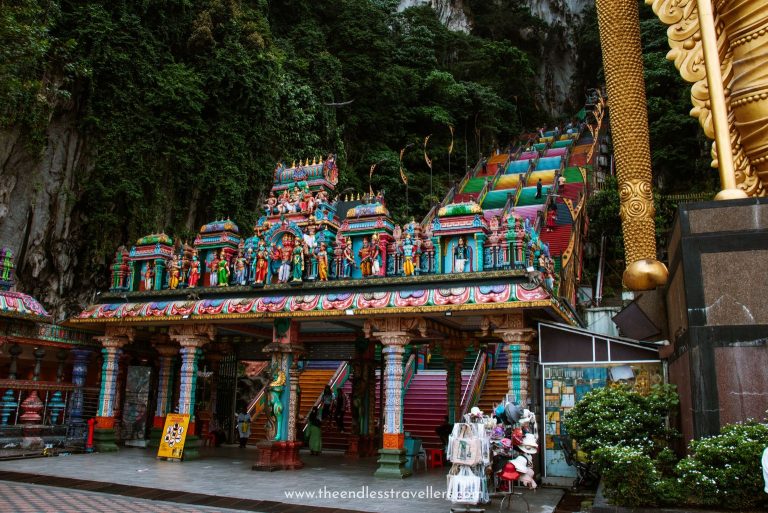
You’ll find monkeys in national parks in Penang, around Kuala Lumpur, especially at Batu Caves, and in Borneo. Just be aware of them and keep your distance.
Transport
6. Public Transport Is Different Everywhere
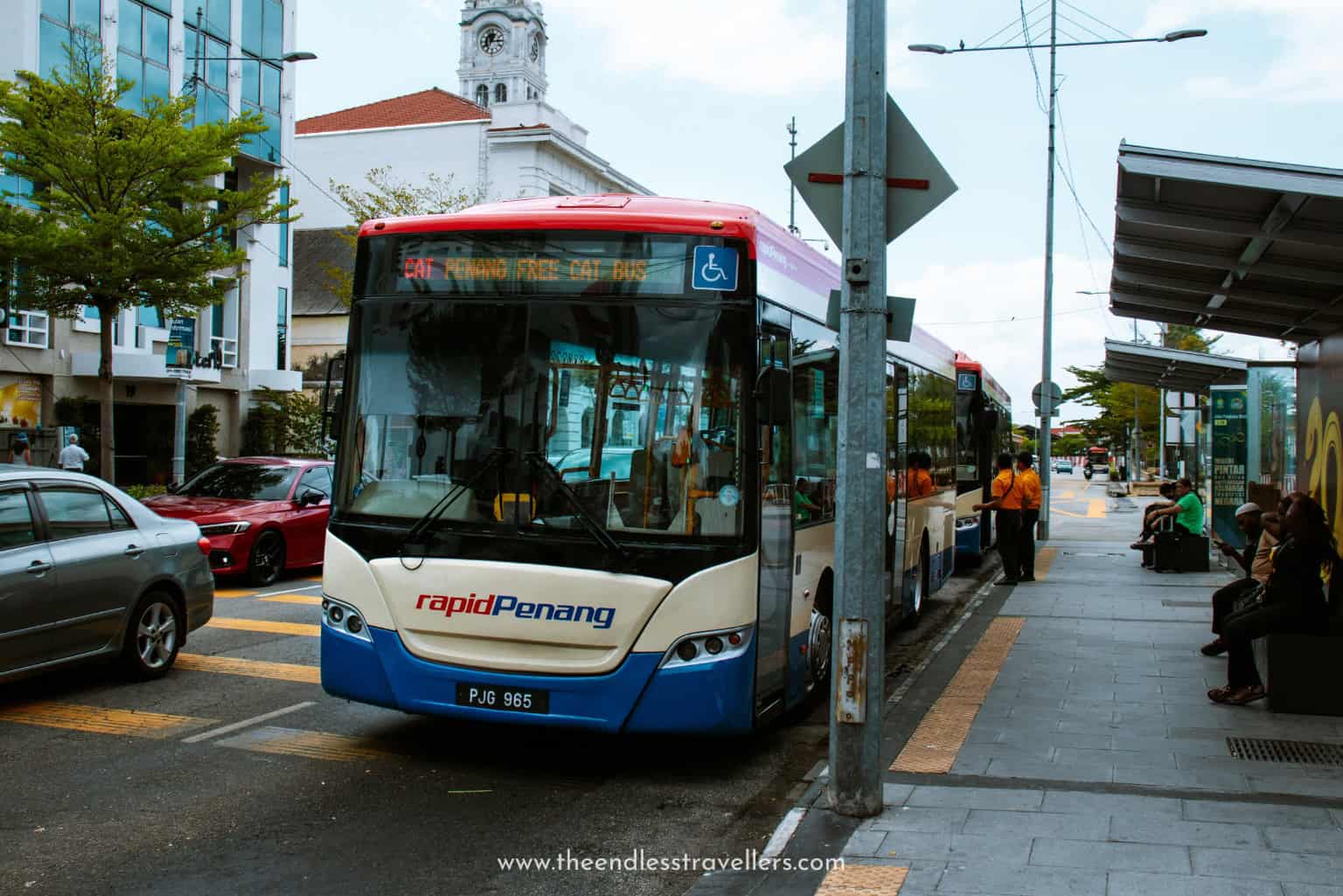
This took us a while to get our heads around because every place works slightly differently.
Outside of Kuala Lumpur, in places like Penang, Ipoh and the Cameron Highlands, buses are cash only and require the exact amount. If your journey costs 7.30 ringgit and you only have a 10 ringgit note, you’re paying 10. There’s no change.
In Kuala Lumpur, it’s the opposite. They don’t accept cash and only take card. You can use your debit or credit card directly or get a local tap-on tap-off card.
The systems are excellent and easy to use, you just need to be prepared with the right payment method.
7. Inter-City Buses Are Excellent (But Book VIP)

One of the best things to know before visiting Malaysia is how good the inter-city bus network is. We used it constantly to get between destinations, and the buses were reliable, on time and comfortable.
We strongly recommend booking VIP buses. We tried a cheaper option once and it wasn’t great. There were no seat belts, no tray tables and parts of the bus felt like they were falling apart. The VIP buses are much more comfortable and spacious.
One important thing to note is that coaches are not allowed to have toilets by law in Malaysia. On longer journeys, they do stop along the way. If you’re really desperate, you can speak to the driver and they’ll usually help when they can.
We booked most of our journeys through 12Go Asia, which shows all routes and different classes of bus. You then just need to check in at the bus station 30-minutes before your departure time.
8. Cities Are Surprisingly Walkable

In cities like Penang, Ipoh and Melaka, you can walk almost everywhere. We love exploring on foot because it gives you a completely different perspective and, of course, saves money.
Kuala Lumpur is larger, so you’ll likely use the metro there, but even then you can still walk parts of it.
If you don’t want to walk or there’s no public transport option, Grab is brilliant. It’s extremely cheap in Malaysia and perfect for airport transfers or longer distances.
Where Is Worth Visiting
9. Don’t Just Visit Kuala Lumpur

For some reason, a lot of people visit Kuala Lumpur and sometimes George Town, then skip the rest of the country. That’s a huge mistake!
Yes Kuala Lumpur and George Town are both amazing destinations and we highly recommend them, but there is so much more to Malaysia. Ipoh has incredible street art and cave temples, the Cameron Highlands have stunning tea plantations, Melaka is filled with history and colour. And that’s not even mentioning Sabah and Sarawak!
There are so many incredible places that deserve your time. Don’t just stick to Kuala Lumpur
10. Where To Go In Malaysia
Best City For Food: Georgetown, Penang
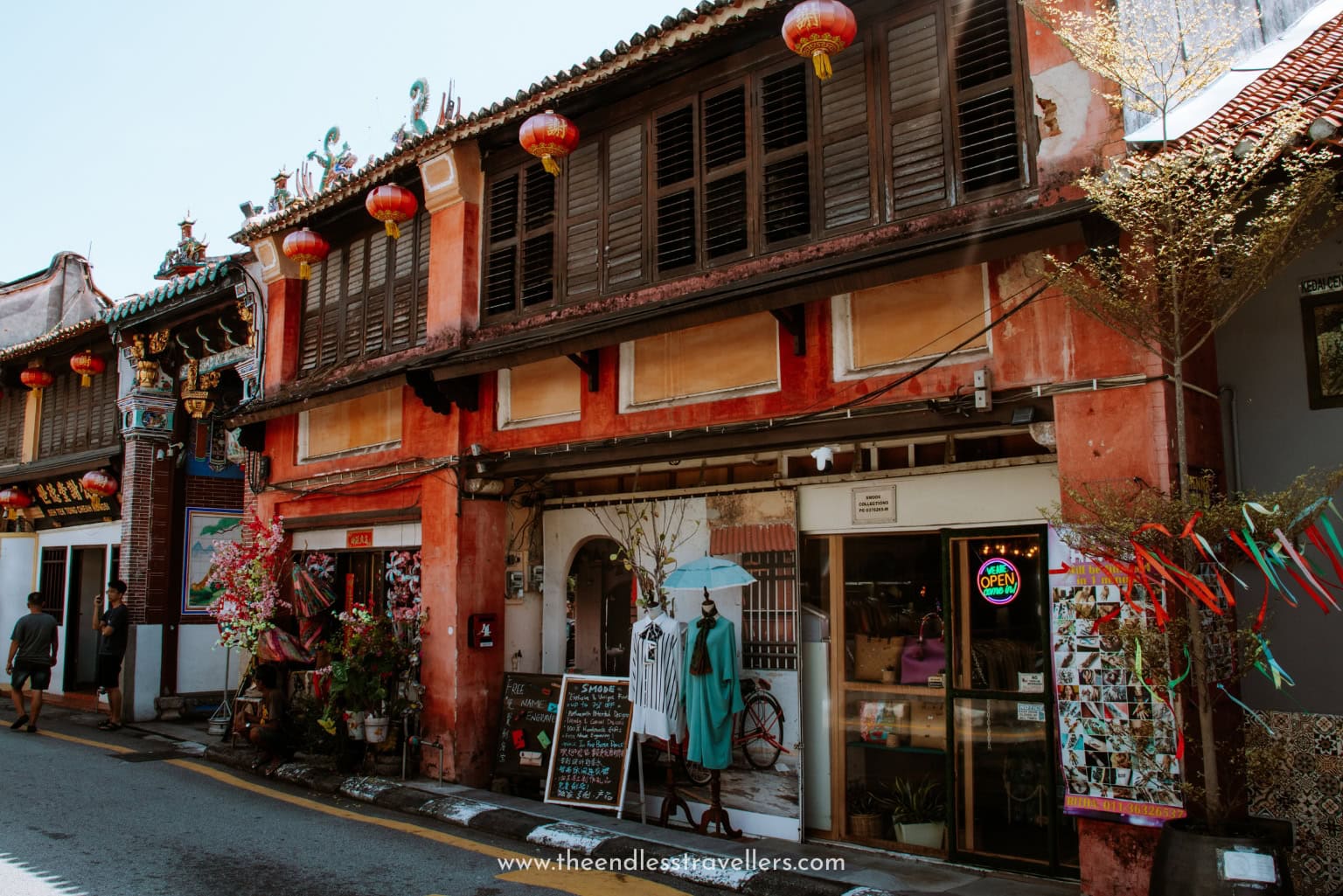
If you’re a foodie, Georgetown has to be at the top of your list. It’s a melting pot of cultures with insanely good Indian food, Malaysian dishes and famous Penang street food. There are even multiple Michelin-guide stalls. If you search “Penang famous street food”, you’ll find more dishes than you could possibly try in one trip.
Best For Nature: Cameron Highlands

Malaysia has a surprising amount of natural beauty. The Cameron Highlands are absolutely stunning, with rolling tea plantations and lush green landscapes.
We recommend visiting Cameron Valley Tea Plantation and take a stroll through the plantation. It’s so peaceful. Plus, you can stop at one of the two tea houses for a freshly picked tea and slice of yummy cake.
Best For History: Melaka

If you love history, you need to visit Melaka. It’s the oldest place in Malaysia and home to the oldest church in Southeast Asia. The whole city feels rich with history, and it’s absolutely stunning as well.
11. Street Art Is Everywhere
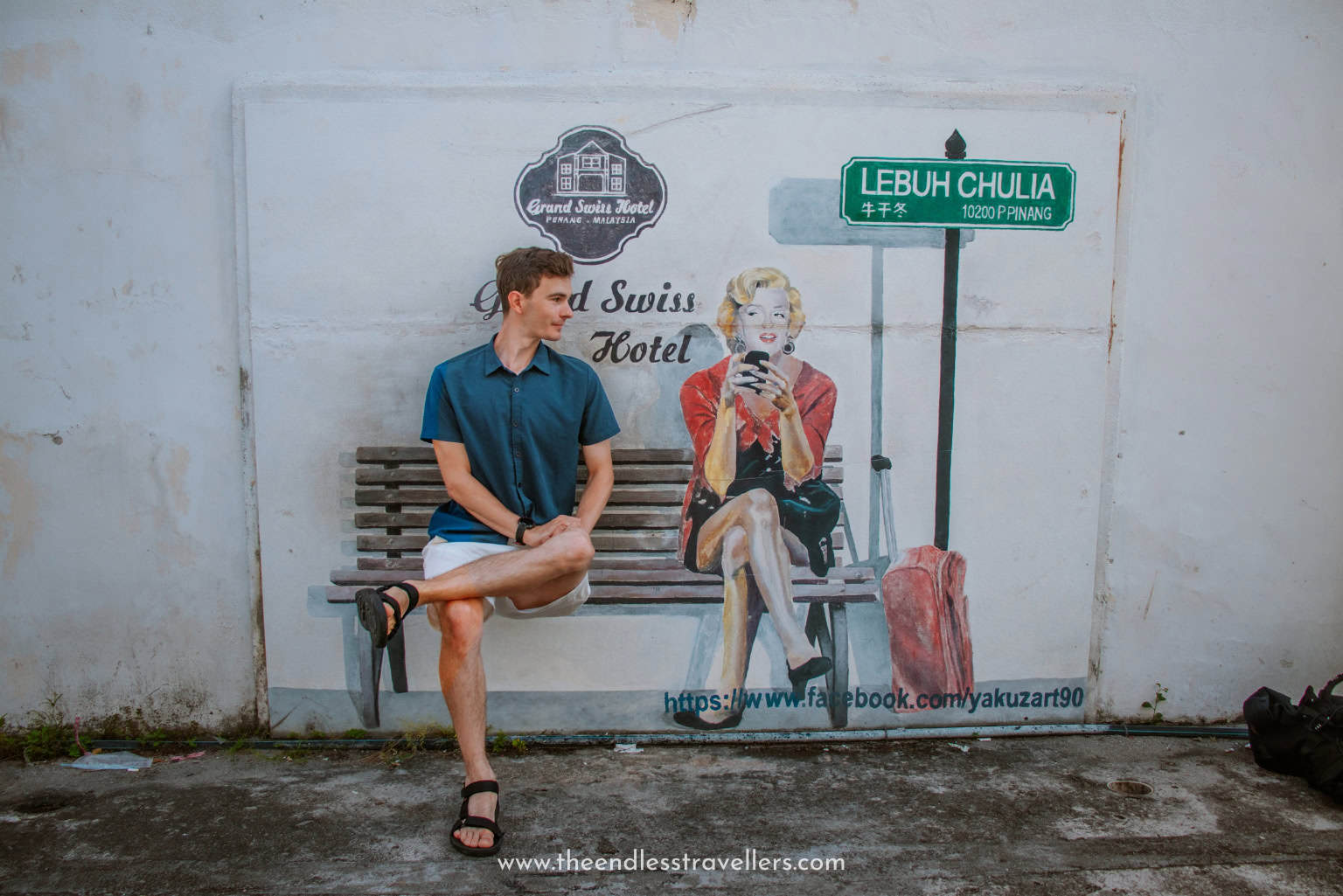
Every city we visited in Malaysia had bright, vibrant street art. Georgetown and Ipoh are particularly famous for their interactive murals, but even in Kuala Lumpur you’ll stumble across incredible pieces. It adds so much character to the cities.
12. Don’t Skip Borneo

One of the most important things to know before visiting Malaysia is that it isn’t just the peninsula.
Part of Malaysia is on the mainland between Thailand and Singapore, and part of it is on Borneo. Sabah and Sarawak are in Malaysian Borneo, and they feel completely different. In fact, it’s one of our favourite places in the world.
Borneo has insane wildlife, beautiful coastlines, rivers, national parks and hikes. The people are incredibly friendly and the food is different from Peninsula Malaysia.
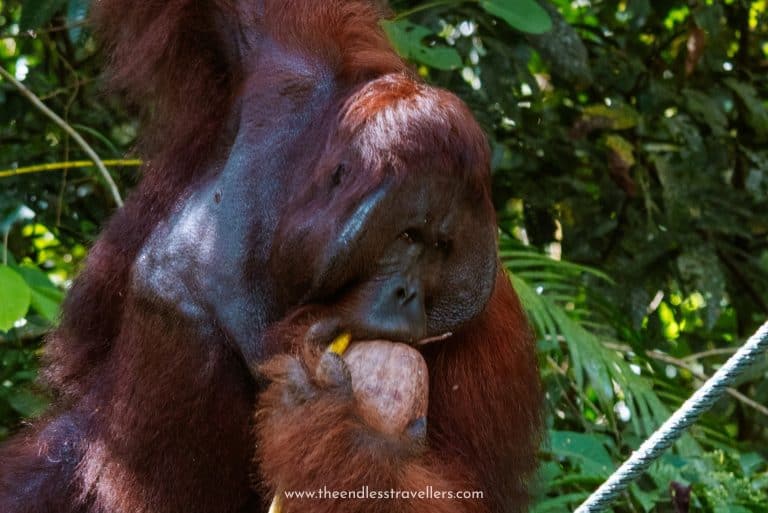
If you can, we highly recommend spending 2 nights on the Kinabatangan River searching for the Borneo Big 5: Pygmy Elephants, Orangutans, Crocodiles, Proboscis Monkey, and Rhinoceros Hornbill. It is one of the best things we have ever done.
13. The Wildlife Is Unreal

That brings us onto the wildlife. Malaysia is known for its cities, but it actually has some of the best wildlife in Southeast Asia. Borneo is the only place on earth where you can find wild orangutans, proboscis monkeys, and pygmy elephants all in one place.
Even in mainland Malaysia, you’ll find incredible snorkelling with turtles and huge amounts of fish, as well as monkeys everywhere. If you love nature and wildlife, Malaysia should be high on your list.
14. Don’t Skip The East Coast
We haven’t yet made it to the East Coast due to a flight mix-up, but everything we’ve seen and heard suggests it’s stunning.
The East Coast is known for its beautiful beaches and islands like the Perhentian Islands and Tioman Island. From what we’ve been told, some of Malaysia’s most insane beaches are there.
What To Pack
15. How To Dress In Malaysia

There isn’t a strict dress code in Malaysia, but it is a predominantly Muslim country, so it’s important to dress respectfully.
Locals tend to be covered up, and even men often wear trousers. You don’t need to go to that extent, but I would recommend covering your knees and ideally your shoulders, especially if you’re a woman. I personally wouldn’t wear crop tops, very short shorts or spaghetti straps. You might be fine in Kuala Lumpur, but in many parts of the country, it’s better to be respectful.
If you’re visiting a mosque, such as the National Mosque of Malaysia, you’ll need to be fully covered. Cover-ups are provided if you need them. Similarly, temples will require you to cover knees and shoulders.
16. Bring Proper Mosquito Repellent

I genuinely wish someone had told me this before we went.
If you’re visiting national parks, botanical gardens or spending time in nature, you need mosquito repellent. Malaysia doesn’t sell strong DEET-based repellent, and it took us ages to find anything decent.
If you can, bring some good tropical-strength insect repellant from home. The mosquitoes in Malaysia can carry illnesses such as Dengue, so prevention really is key. The best way to protect yourself is to prevent yourself from being bitten in the first place.
If you’re already in Malaysia, Watson’s and Guardian sell insect repellent. The best one we found was a brand called Off, sold only in Guardian.
Best Time To Visit
17. When Is The Best Time To Visit Malaysia?

This is tricky because the West Coast and East Coast have different rainy seasons.
The west coast’s dry season runs from December to March, while the east coast’s dry season runs from March to October.
We visited the West Coast in June and July, which is technically rainy season, and it was absolutely fine. It rained most evenings for about an hour, usually around 6pm, and the rest of the day was sunny. Even in rainy season, it’s unlikely to rain all day.
We think visiting around June is perfect, because there are fewer crowds, the weather is generally pleasant (if you don’t mind the odd heavy shower), and it’s one of the best times for wildlife watching.
Is Malaysia Expensive?
This is probably what you’re most curious about. Before visiting Malaysia, we’d heard it can be expensive to travel, particularly compared to other countries in Southeast Asia. However, that wasn’t our experiences.
We spent two months travelling Malaysia and averaged around £25–£30 per person per day. That included accommodation, eating out every night, attractions and transport.
We stayed in what we’d describe as comfortable budget hotels and guesthouses rather than dorms, so you could absolutely do it cheaper if you wanted to. We walked a lot, used public transport and ate street food occasionally, although restaurants were just as cheap to be honest.
Most days, we spent under £55 for both of us combined, and we make a rule of not skimping on things we genuinely want to do. Malaysia is a very affordable country to travel.
How We Can Help
If you’d rather book knowing your route has been thought through properly, we can help.
We offer consultations and full itinerary planning tailored to your travel style.
Wrap Up
Malaysia is one of our favourite countries in Southeast Asia, filled with historical cities, wild jungles, and incredible wildlife. There’s no place quite like it.
If you’re planning a trip to Malaysia, we hope this blog post helps you prepare for what to expect. These are lessons we genuinely wish someone had told us before we went, and we hope they help you!
PREPARE FOR YOUR TRIP
OUR TRAVEL RESOURCES
Fly
Tours
Found This Post Helpful? Pin It For Later!